
2026 ACVO Slate of Officers Vote
2026 ACVO Slate of Officers Vote
Please help us thank the following outstanding ACVO Members, Dr. Erin Scott and Dr Ronald Spatola, who have accepted nominations made by their peers to serve as Regent on the ACVO Board. All candidates are highly qualified, have been vetted by the Nominating Committee, and recommended to the Board of Regents for a vote of the Membership. Dr. Kangmoon Seo has also been presented to the ACVO as a nominee for Honorary Member by three or more of his ACVO member peers. This is an esteemed position provided to those who meet the qualifications outlined below and further defined in the ACVO’s Governance Documents (Bylaws and Policies).
Please review the candidates’ background, brief biographies, past involvement in the ACVO and their future goals. Where appropriate, recommendation letters have been provided. We ask that you review these materials prior to voting electronically. A printed, mailed ballot will not be distributed.
An electronic ballot is sent directly to all members’ email addresses as provided in their ACVO membership portal, via a confidential Simply Voting system. To be elected, a quorum of members must submit a ballot (10% or approximately 65 members), and the new Regent and Honorary Members will be elected by a majority of those members’ ballots. For more information on voting procedures, please see the above link to ACVO Governance Documents and review the ACVO Bylaws.
Voting will be open Tuesday, August 18th from 10:00am (MDT) until 11:59pm (MDT) on Thursday, September 17th. Ballots will be emailed directly to ACVO Members at the opening of the voting period.
Candidate for Regent - Dr. Erin Scott
Candidate for Regent - Dr. Ronald Spatola
Candidate for Honorary Member - Dr. Kangmoon Seo
Please cast your vote before the deadline, Thursday, September 17th, at 11:59 pm (MDT).
CANDIDATES FOR REGENT
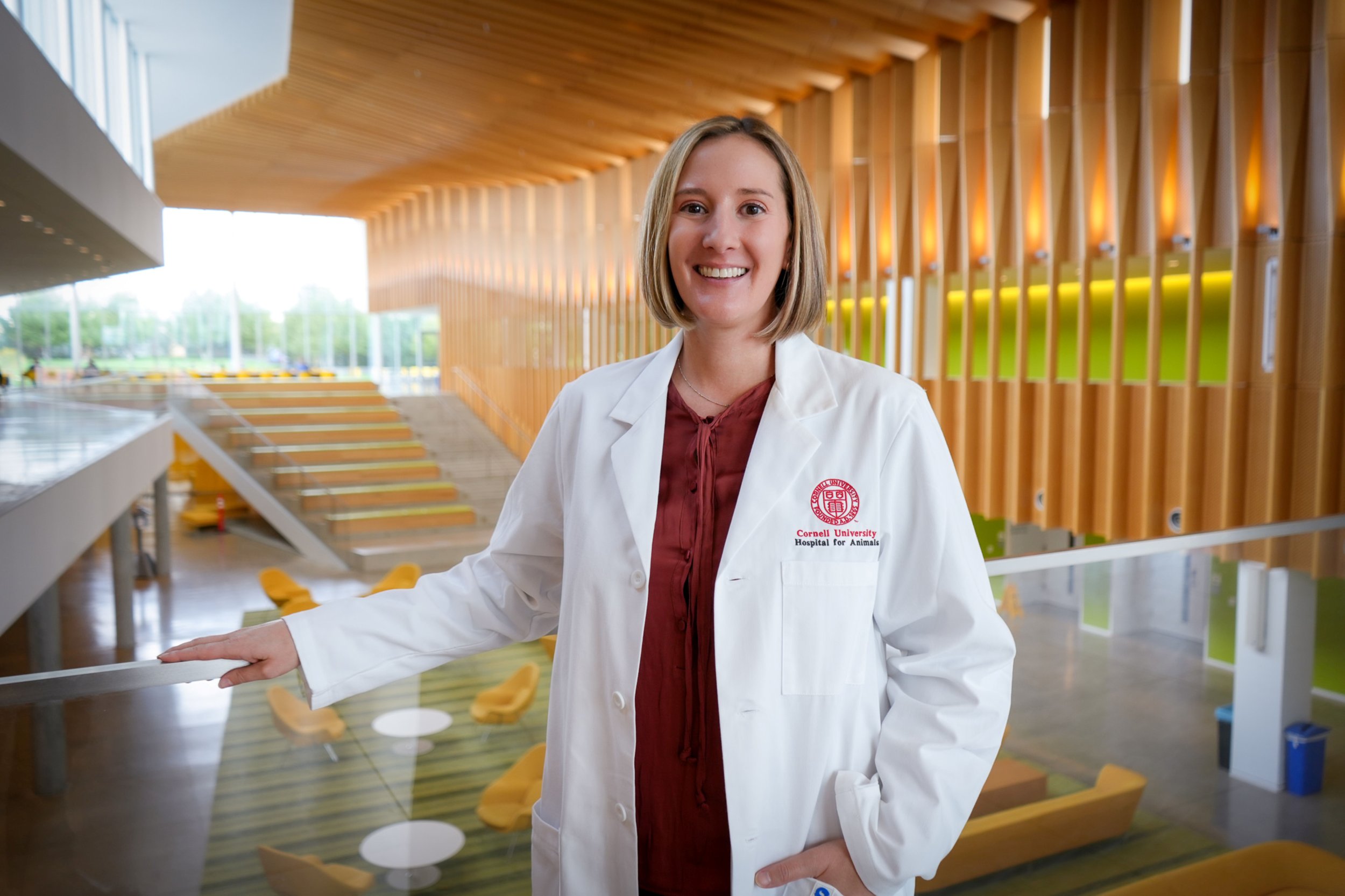
Erin Scott, VMD, DACVO
(Nominee for the ACVO Board of Regents)
Erin Scott, VMD, DACVO is an Associate Professor of Comparative Ophthalmology at Cornell University in Ithaca, New York, and an Adjunct Professor at Ross University in Basseterre, St. Kitts. She earned her veterinary degree from the University of Pennsylvania in 2010, completed a rotating internship at Louisiana State University, and pursued advanced training at the University of Wisconsin–Madison, including a fellowship in comparative ocular pathology and a residency in comparative ophthalmology. She became a diplomate of the American College of Veterinary Ophthalmologists in 2015 and subsequently served on the faculty at Texas A&M University for seven years before joining Cornell.
Dr. Scott’s work centers on collaborative, translational research that bridges basic science and clinical application to advance patient care. Her interests span comparative ophthalmology across species, with particular emphasis on cataract and glaucoma management, comparative ocular pathology, and the ocular surface microbiome in health and disease. Her research integrates clinical, microbial, and pathologic data to provide a broader understanding of ocular disease and its relevance to both veterinary and human medicine.
A dedicated educator and mentor, Dr. Scott has guided numerous residents to board certification and trained specialty interns. She has been actively involved in professional service, including the ACVO Vision for Animals Foundation Resident Grant Review Committee (2016–2023) and the International Equine Ophthalmology Consortium Membership & Benefits Committee (2019–2025). She also served on the ABVO Examination Committee from 2021–2026, including as Chair from 2024–2025.
What experiences and skills do I bring to the BOR that will enhance the leadership of our college?
I am honored to be considered for nomination to the Board of Regents and, if elected, will approach this role with a strong commitment to representing my colleagues thoughtfully and responsibly.
Throughout my career, I have developed leadership experience through committee work at the hospital, departmental, and college levels across two institutions, in addition to active involvement in national and international professional organizations. I value collegiality, inclusiveness, and transparency, and I strive to be approachable, open-minded, and respectful of diverse perspectives while also advocating for meaningful change that advances our profession. I approach challenges and differing opinions with positivity, curiosity, and confidence, fostering an environment in which colleagues feel comfortable sharing ideas and concerns while working collaboratively toward thoughtful and effective solutions.
My service as Vice Chair, Chair, and Past Chair of the ABVO Exam Committee has provided extensive experience collaborating across committees, the ACVO office, and the ABVO Board. In this role, I helped lead the transition to remote exam administration, prioritizing fairness, accessibility, and cost-conscious solutions for candidates. While Angoff and Hofstee standard-setting methods were already established, I helped implement a refinement in which new committee members, without prior exposure to current exam content, performed scoring to improve the objectivity and validity of question assessment. I have also emphasized the development of clinically relevant, high-quality exam content and incorporated feedback from both mentors and exam candidates to identify areas of shared priority and guide continuous improvement.
Additionally, I recently co-hosted the annual Society for Comparative Ocular Pathology conference at Cornell University, overseeing program development, keynote speaker recruitment, logo rebranding, social event and catering logistics, and both in-person and virtual execution. The meeting brought together participants from 33 countries and received highly positive feedback, reflecting strong engagement and effective coordination across a diverse, international audience. This experience further strengthened my skills in strategic planning, collaboration, and inclusive program design.
Collectively, these experiences have prepared me to contribute effectively to the Board of Regents, and I am committed to supporting thoughtful leadership and the continued advancement of our college.
What are the major issues of our college and how should they be addressed?
In veterinary ophthalmology, our specialty continues to advance rapidly, and this progress brings important responsibilities for our certifying bodies. Maintaining rigorous, fair, and clinically relevant certification standards remains essential, particularly as examination formats evolve and incorporate best practices in assessment and remote delivery. At the same time, we must ensure our processes remain transparent, defensible, and reflective of the competencies required for contemporary clinical practice.
Equally important is our commitment to fostering diversity, equity, and inclusion within the specialty. Strengthening mentorship, addressing barriers to entry, and promoting inclusive training environments are critical to ensuring our diplomate community reflects the breadth of perspectives needed to advance patient care and innovation.
Academic sustainability is another pressing concern. Veterinary ophthalmology relies heavily on academic institutions to train residents, support research, and provide advanced clinical care. However, challenges in faculty recruitment and retention, driven in part by disparities between academic and private practice compensation, threaten the long-term stability of these programs. Supporting academic career pathways will be essential to maintaining the strength of our training pipeline.
Finally, the rapid evolution of artificial intelligence (AI) and related technologies is advancing faster than the development of clear professional guidance. While innovations in imaging, surgery, and telemedicine are elevating standards of care, they also require us to take a proactive leadership role in defining appropriate use and maintaining clinical accountability. As a college, we must ensure that continuing education, certification standards, and training programs keep pace with these advancements, with an emphasis on AI literacy and critical evaluation of emerging tools. At the same time, it is essential that we preserve the core principles of clinical judgment, transparency, and compassionate care. By thoughtfully integrating new technologies while maintaining these standards, we can support our diplomates, uphold public trust, and promote equitable access to high-quality ophthalmic care.
Together, these priorities highlight the need for thoughtful, forward-looking leadership to sustain excellence in veterinary ophthalmology while adapting to the evolving demands of our profession.
What should be the major goals or initiatives of the ACVO for the next 5 years?
Over the next five years, the ACVO has an important opportunity to strengthen our specialty by promoting excellence in training, supporting innovation, and ensuring the long-term stability of veterinary ophthalmology. A central priority will be strengthening the training pipeline through expanded mentorship, support of diverse training models, and intentional efforts to reduce barriers to entry, thereby fostering a more inclusive and representative community of diplomates. An important development is the upcoming transition of the Residency Committee from the ABVO to the ACVO. Careful management of this transition will be essential to preserve the rigor and consistency of our training programs while improving accountability and responsiveness to residents and mentors. I am particularly enthusiastic about helping guide and support this process to ensure a smooth and successful integration.
Sustaining academic veterinary ophthalmology must also remain a focus, as our academic institutions are essential for the training, research, and advancement of clinical care. Supporting collaborative models between academia and private practice, while advocating for faculty development and retention, will be critical. In parallel, we must continue to invest in high-quality continuing education and ensure our diplomates are well-equipped to integrate emerging diagnostics, therapeutics, and technologies into practice.
Finally, improving access to specialty care and strengthening collaboration across the profession will be key to meeting the evolving needs of our patients and clients. Guided by a commitment to collegiality, inclusiveness, and integrity, I believe these initiatives will position the ACVO to support its members effectively while advancing excellence in veterinary ophthalmology.
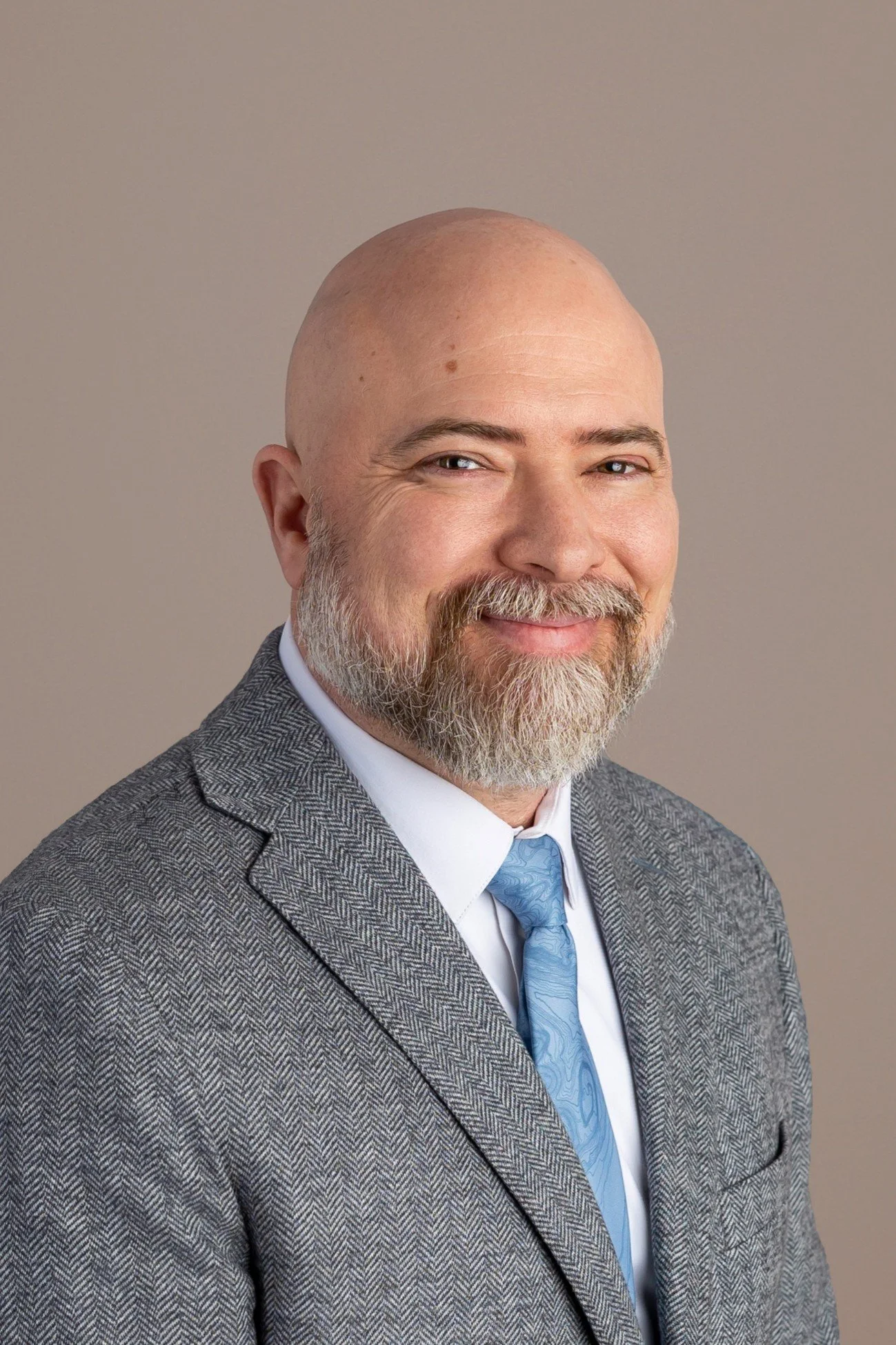
Ronald Spatola DVM, MS, DACVO
(Nominee for the ACVO Board of Regents)
I received my Doctor of Veterinary Medicine and Master of Science degrees from The Ohio State University College of Veterinary Medicine in 2007. From there I completed a one-year rotating internship at Carolina Veterinary Specialists in Charlotte, NC, followed by a one-year specialty ophthalmology internship with Animal Eye Care Associates in Hampton Roads, VA. I was fortunate enough to be offered a comparative ophthalmology residency with Animal Eye Care Associates, which I successfully completed and passed the board exam in 2016. After working for AEC for one year as an associate, I took a position as an associate ophthalmologist at the Animal Eye Institute in the greater Cincinnati, OH area, where I remain today.
Professionally I see small animal cases at a referral hospital in Northern, KY, and have been involved in training multiple comparative ophthalmology residents and specialty interns. Five years ago, I helped spearheaded the AEI vitreoretinal service and now head an established vitreoretinal referral practice that services the Midwest. I have served four years on both the ACVO Pharma-Tox Committee and the ABVO Residency Committee and been a member of the ACVO since 2016. I’m honored to be nominated for Regent and would welcome the opportunity to serve our members on the Board.
What experiences and skills do I bring to the BOR that will enhance the leadership of our college?
Should I be fortunate enough to be elected, I will strive to bring thoughtful, engaged, and straightforward leadership to the Regent position. Since becoming a diplomate, I have made a consistent effort to stay involved in the college by attending our annual meetings, serving on committees, and remaining engaged with the present and future of our profession. I care deeply about the healthy growth of our college and its members and would take the responsibility of being a Board member seriously.
Through my work on both ABVO and ACVO committees, I have had the opportunity to collaborate with individuals from a variety of personal and professional backgrounds and perspectives while working toward common goals for the college. Those experiences have reinforced the importance of open and inclusive communication in the ability to navigate differing opinions productively and respectfully. They have also highlighted the importance the Board’s leadership plays in assuring our college is adequately serving its members and the public. Furthermore, my experience training residents and interns has strengthened my commitment to leadership, education, and maintaining high standards within our college.
I believe effective leadership requires honesty, transparency, accountability, and a willingness to engage in difficult conversations when necessary. I would not undertake this position casually or with indifference. If elected by ACVO members, my approach to the position would be one of listening attentively to ideas and concerns of members, categorizing the fundamental actions of the college, and directing core initiatives and activities to support member desires and requests. I can promise not to shy away from challenging decisions, and to approach issues directly, professionally, and with consideration for all parties involved. Most importantly, I’ll bring a genuine passion for the ACVO and a desire to help the college continue to evolve, adapt, and excel both now and in the years ahead.
What are the major issues of our college and how should they be addressed?
A core challenge to the ACVO is assuring that the college and its diplomates continue to meet the needs of a diverse and growing membership in an ever-changing landscape. As technology, education, and clinical medicine continues to evolve, the ACVO must stay on the forefront in ways that ensure membership remains highly beneficial both professionally and personally, and that we remain the benchmark in the science and practice of veterinary ophthalmology. It falls on the leadership of the ACVO to empower our members to stay committed and engaged, and to continually explore ways to improve the organizations value to its members. We do this by assuring members feel valued, heard and included in all aspects of the college, and that the Board of Regents provides opportunities and services exclusive to ACVO membership.
One major component of this moving forward will be how we adapt to the growing role of artificial intelligence in the context of veterinary ophthalmology. Artificial intelligence will very likely have a critical role in shaping the future in general, and the ACVO is no exception. I believe the college should take an active role in helping guide how it is integrated into our profession. This includes considering its impact on resident education and training, continuing education for diplomates, and the future of clinical practice itself. I also believe AI has the potential to significantly benefit research, data collection, and the advancement of our understanding and treatment of ophthalmic disease, which has downstream effects on patient care and practice management. The ability to analyze large datasets across global populations, identify trends, and potentially improve diagnostic capabilities could become an important tool within our specialty. At the same time, I believe it is important that we approach AI thoughtfully and responsibly. As new technologies emerge, we must ensure they are implemented in ways that maintain the highest quality of patient care, preserve the value of clinical judgment and experience, and support, not replace, the expertise of veterinary ophthalmologists. I feel the college should be proactive in assisting members as they navigate these changes.
As we forge ahead, an important challenge for the ACVO and its leadership will be maximizing support and benefit to members while also balancing progress and innovation with the core values and standards that have made us such a respected organization. I would welcome this challenge along with others that will undoubtedly arise in the future.
What should be the major goals or initiatives of the ACVO for the next 5 years?
I believe the future goals of the ACVO should align closely with the challenges the organization is likely to face, with a primary focus on strengthening the value of membership while maintaining the high standards of education, professionalism, and clinical excellence, that have defined our college. As veterinary ophthalmology continues to evolve, the ACVO must remain forward-thinking and responsive to the needs of both current and future diplomates through ongoing evaluation, strategic planning, and thoughtful leadership. The college should continue prioritizing excellence in resident training, board preparation, and continuing education while adapting responsibly to advances in medicine and technology. In particular, I believe the ACVO has an important opportunity to help guide the responsible integration of artificial intelligence into veterinary ophthalmology, as AI will likely influence education, research, diagnostics, and clinical decision-making in meaningful ways. The college can play a key role in ensuring these technologies are implemented in ways that enhance patient care, support clinical accuracy, and reinforce the expertise of veterinary ophthalmologists. I would also welcome exploration of specialty-specific AI educational and knowledge-based resources that could benefit members in the future. Most importantly, I believe the ACVO should continue balancing innovation and progress with the core values and standards that have made the college such a respected and trusted organization, and I would be excited to contribute to that process and support the continued growth and success of our profession in the years ahead.
NOMINEE FOR HONORARY ACVO MEMBERSHIP
Excerpt from ACVO’s Policies & Procedures outlining requirements of Emeritus Members:
SECTION 8: EMERITUS, RETIRED, AND HONORARY MEMBERS
8.02 Honorary Member (A) Similar to Emeritus Membership, Honorary Membership is a highly esteemed status and one that should not be taken lightly. An Honorary Member should also have made significant, substantive, and positive contributions to the field of veterinary ophthalmology over a period of 20 year and be nominated in writing by three members.
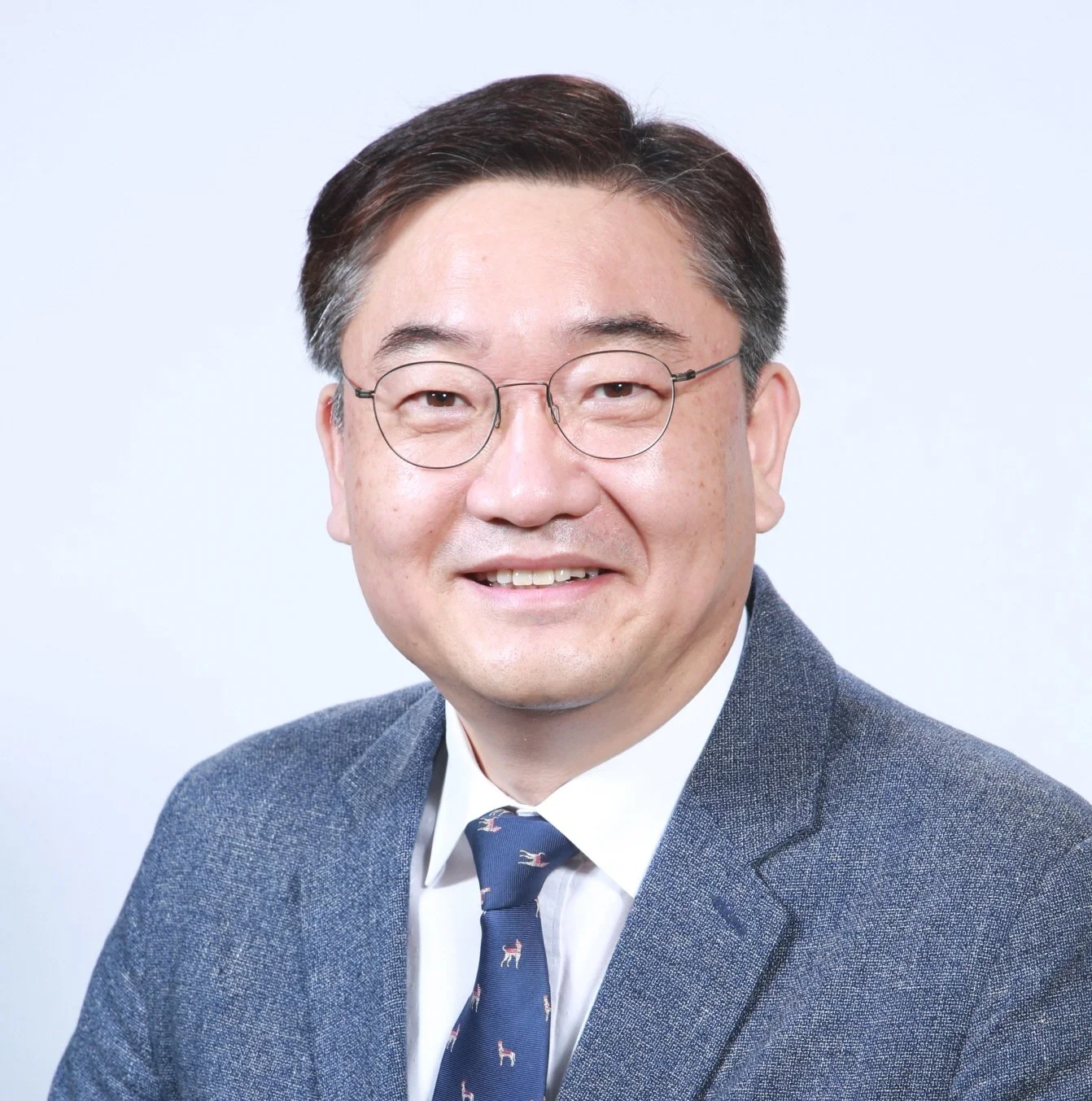
Professor Kangmoon Seo, DVM, PhD, DipAiCVO
Dr. Kangmoon Seo is a professor at the Seoul National University (SNU), a former dean of College of Veterinary Medicine-SNU, a former director of VMTH-SNU, a former president of Asian Society of Veterianry Ophthalmogy (AiSVO)/Asian College of Veterianry Ophthalmologists (AiCVO), and a former president of International Society of Veterinary Ophthalmology (ISVO). He also was a former president of Korean Society of Veterinary Clinics and a president of Korean Council of Veterinary Education. Upon his graduation in 1986, he got MS in 1988 and PhD in 1995 in SNU and travelled to Royal Veterinary College, London University as a post-doc fellow for 6 months to learn advanced veterinary ophthalmology under Prof. Peter Bedford. He joined the faculty at the Kangwon National University in 1997 and returned to SNU in 2002 as an assistant professor in veterinary ophthalmology. He founded AiSVO in Asia with other Asian colleagues and obtained a founder diplomate of AiCVO in 2011. He also travelled Iowa state university (2005) and university of Wisconsin (2009-2010) to extended his knowledges of veterinary ophthalmology as a visiting scholar. He developed interests in the tear staining syndrome, medial canthoplasty, glaucoma treatment, cataract surgery and the other surgical treatments. He also has deep interests for student education and winner of numerous Teacher of the Year awards. He has published more than 250 peer-reviewed domestic and international papers including SCI(E) index papers.
Honorary Membership Nomination Letter of Recommendation - Dr. Andras Komaromy
Honorary Membership Nomination Letter of Recommendation - Dr. Kim Park
Honorary Membership Nomination Letter of Recommendation - Dr. Gillian McLellan